Frameless vs framed glass railing compared side by side. Cost, view clarity, installation complexity, stair code compliance, and wind protection. From a manufacturer that builds both.
This article is part of our complete Glass Deck Railing guide.
Frameless or framed? It's the first decision anyone shopping for glass railing has to make, and it affects everything: the view, the cost, the installation complexity, and what your deck feels like to stand on.
We manufacture both systems at our facility in Aldergrove, BC, so this isn't a sales pitch for one over the other. Our Infinity Topless is the frameless option. Our Glass Component is the framed option. Both are engineered to the same building codes, go through the same 5-stage pretreatment and AAMA 2604 powder coating process, and are backed by the same 20-year structural warranty. The right choice depends on your project, your budget, and what you're trying to achieve with the view.
What is frameless glass railing?
Frameless glass railing (also called topless glass railing) is a guardrail system where tempered glass panels sit in channels machined into aluminum posts with no top rail connecting them. The glass is the barrier. The posts are the structure. There's nothing across the top.
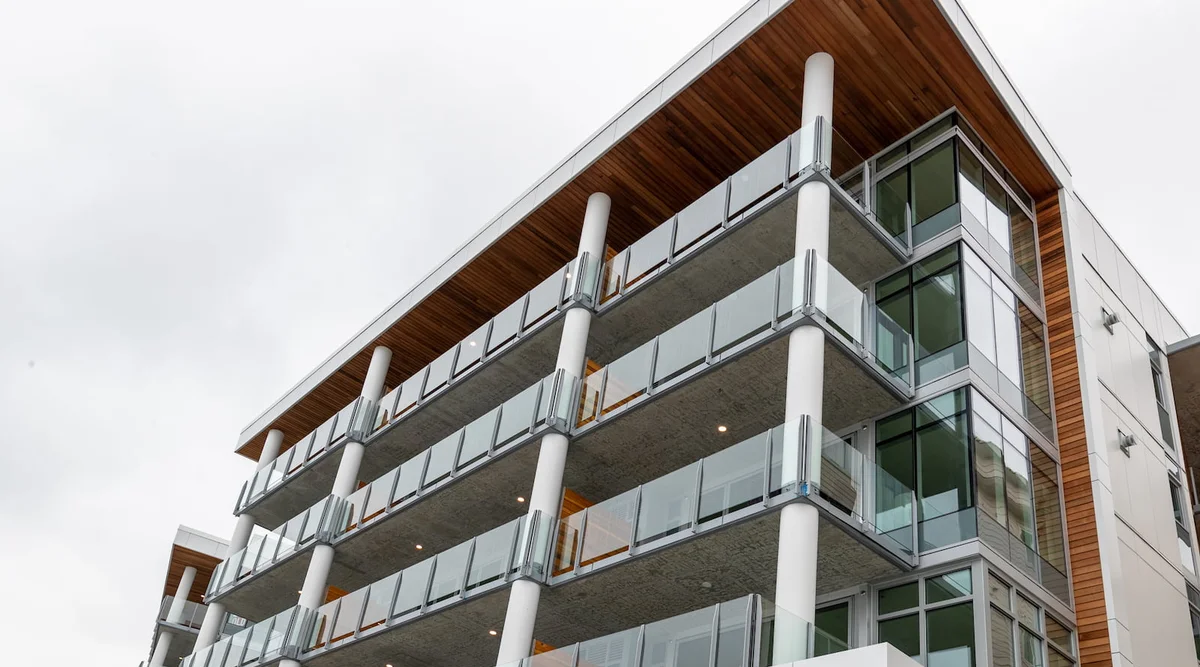
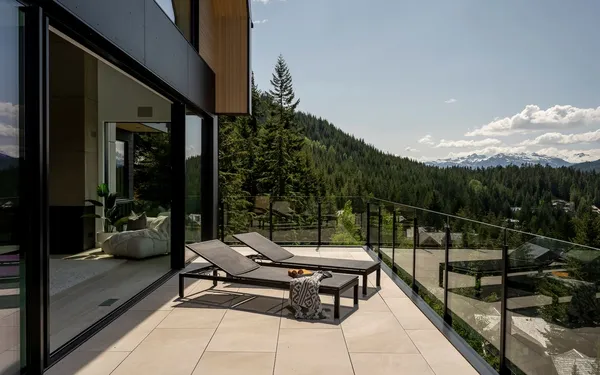
The result is a nearly invisible railing. From inside the house, from deck chairs, and from the yard below, the glass panels almost disappear. You see the view, not the railing. It's the clearest sightline of any guardrail system available, clearer than framed glass, far clearer than picket or cable.
Our frameless system is the Infinity Topless. The posts are precision-machined aluminum with channels designed to hold the glass securely under code-required loads. The glass is thicker than what we use in our framed system (typically 12 to 13mm versus 6mm for component) because without a top rail providing structural support, the glass itself has to handle more of the lateral load. It's technically a semi-frameless system because the aluminum posts are still there, but they're minimal enough that the visual effect is fully frameless.
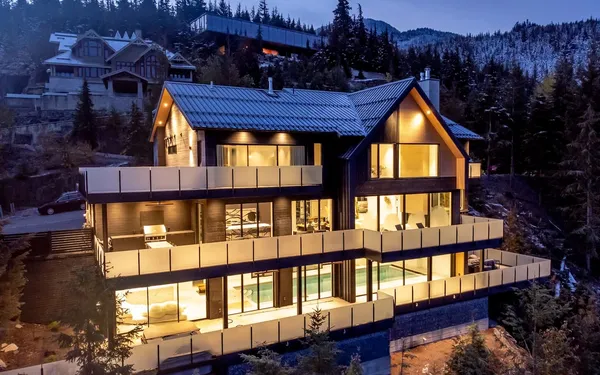
The Gill Cove, Nova Scotia installation is our most-referenced frameless project. It sits on exposed Atlantic coastline where salt air is constant and the wind comes off the ocean year-round. The Whistler, BC project installed by Whistler Glass is another standout. Three levels of frameless glass on a luxury mountain home, photographed in both winter and summer, looking identical in both seasons. These are the kinds of properties where frameless makes sense: the view is the reason the deck exists, and the railing shouldn't compete with it.
What is framed glass railing?
Framed glass railing (also called glass component railing) uses aluminum posts connected by a top rail, with tempered glass panels set between the posts in channels within the rail system. You see an aluminum outline with glass in between.
Our framed system is the Glass Component. The top rail adds structural rigidity, which means the posts can be spaced wider and the glass doesn't need to be as thick. It's the more affordable glass option, it's easier to install, and the aluminum frame gives the railing an architectural presence that some homeowners prefer over the "invisible" frameless look.
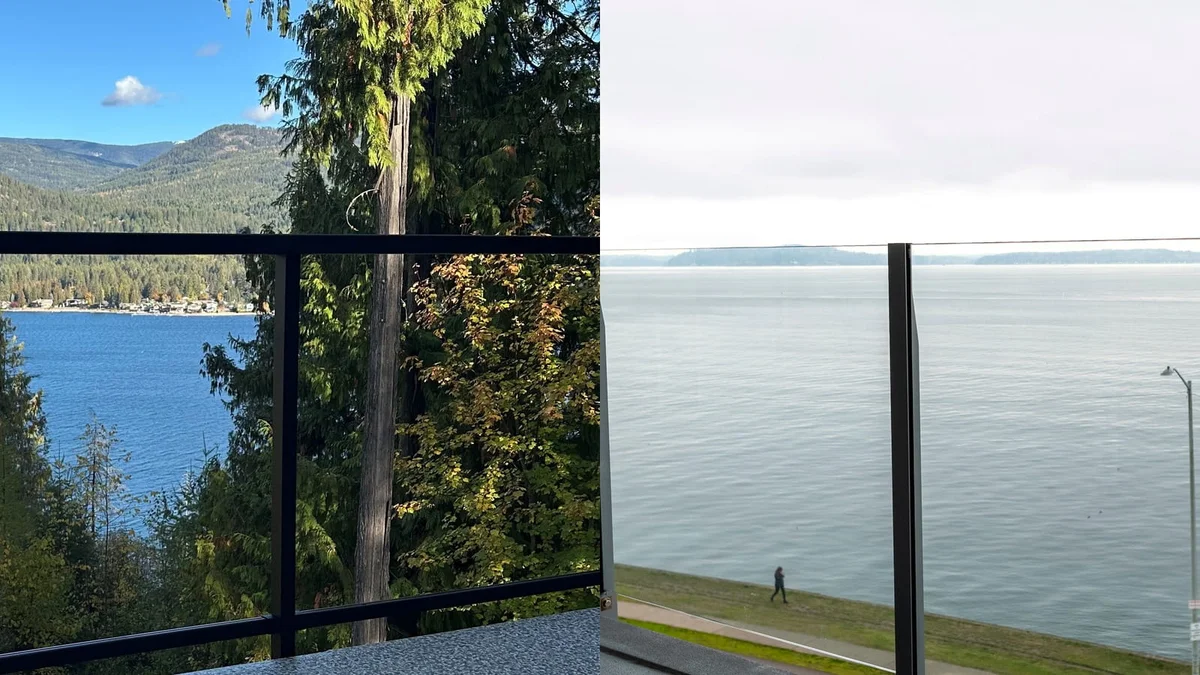
Framed doesn't mean the view is blocked. The aluminum top rail and posts are slim. You lose a thin horizontal line across the top of your sightline compared to frameless. On most decks, the practical visibility difference between framed and frameless is smaller than people expect. The aesthetic difference, on the other hand, is significant. Framed has intentional lines. Frameless has none.
The glass panels in the framed system sit on rubber setting blocks inside the bottom rail channel, with the glass captured top and bottom by the rail channels. There's enough vertical play at the top to lift the glass in during installation and drop it down onto the setting blocks. This installation process is more forgiving than frameless because the top rail provides alignment reference points that frameless doesn't have.
The Rossland, BC installation overlooking the river is a glass component system. It's fully exposed to moisture and temperature swings year-round, and the glass and aluminum frame are holding up exactly as expected. The Powell River, BC project by Modern Powell River uses framed glass with flat top rail in black, which gives the railing a clean, modern look while still providing the structural benefits of the frame.
Frameless vs framed: full comparison
| Frameless (Infinity Topless) | Framed (Glass Component) | |
|---|---|---|
| Industry cost range | $120 - $200+/ft installed | $80 - $150/ft installed |
| Glass thickness | 12-13mm (thicker, no top rail support) | 6mm standard tempered |
| Post tolerance | Very tight, must be exact | More forgiving, top rail adds alignment |
| Installation | Professional recommended | Experienced DIY possible |
| Wind protection | Excellent (slight vertical gaps between panels possible) | Full windbreak |
| Stairs | Rare on exterior stairs | Works well on stairs |
| Graspability (stair code) | No top rail to grasp, may need separate handrail | Top rail meets graspability with round/colonial profile |
| Maintenance | Glass cleaner + squeegee | Glass cleaner + squeegee |
| Best for | View properties, modern architecture | Views on a budget, stairs, structured modern look |
When to choose frameless
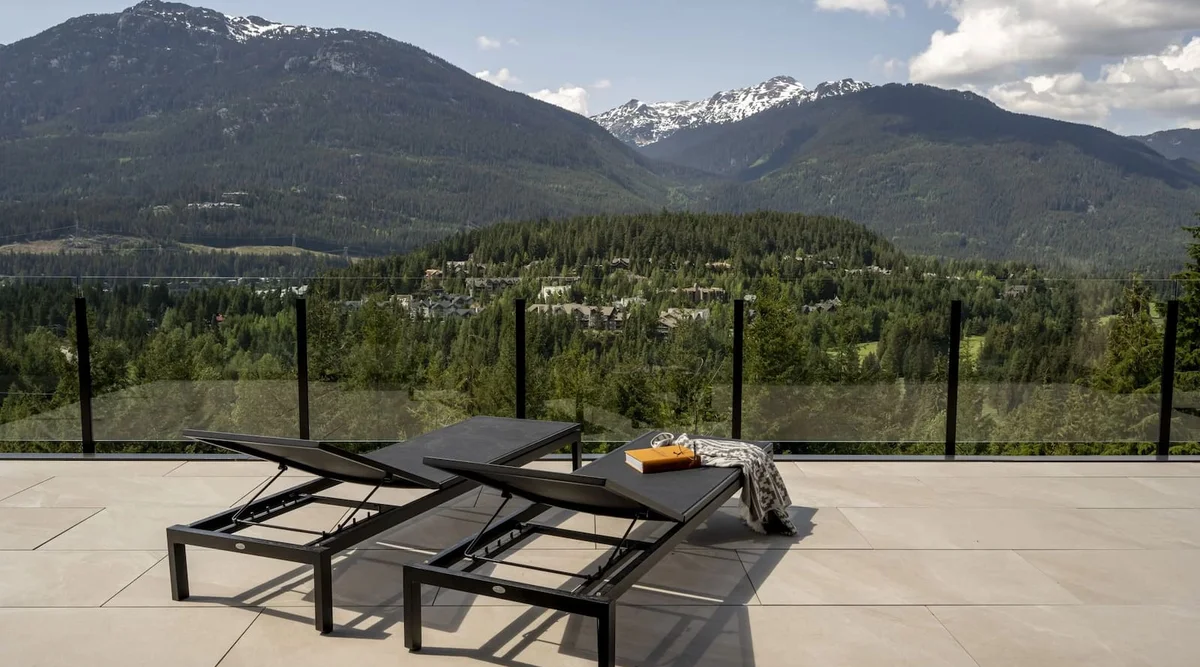
Frameless glass railing makes sense when the view is the primary reason you're choosing glass in the first place, and when the budget can support it.
Waterfront and view properties. If you're on a lake, ocean, mountain, or hillside and you built the deck for the view, frameless is the system that gets closest to having no railing at all. The Gill Cove, Nova Scotia project proves this on the Atlantic coast. The Whistler project proves it in the mountains. Both are on properties where the view is the entire point.
Modern and contemporary architecture. Frameless glass is the most architecturally minimal railing option. If the house was designed with clean lines, floor-to-ceiling windows, and an intention to blur the line between indoor and outdoor space, frameless railing continues that design language. The Seattle area infinity project in Rideau Brown shows how frameless glass integrates with a warm-toned contemporary home without dominating the exterior.
Flat deck runs where maximum transparency matters. Frameless works best on straight, level deck sections. The fewer corners and transitions, the better. Each corner adds post alignment complexity because there's no top rail to help distribute tolerances.
High-value properties where the railing is an investment. On homes where the outdoor space adds significant resale value, the premium for frameless is often justified. A frameless glass railing on a view deck can add more to the home's perceived value than the cost difference over framed.
One thing to be aware of: some municipalities require a project-specific engineer's stamp for frameless glass systems on elevated decks, particularly in high-wind locations. Our engineering team at JCJ Design Engineering provides project-specific stamped drawings for frameless installations. Your dealer can coordinate this as part of the ordering process. It's still worth confirming with your local building department before ordering so there are no surprises at inspection.
When framed makes more sense
Framed glass railing isn't a compromise. It's the right choice for most residential glass railing projects. Here's when it wins:
Budget matters. Framed is 30 to 50% less expensive than frameless. On a 40-foot deck, that difference is $1,600 to $4,000. If you want glass but the budget doesn't stretch to frameless, glass component gives you the view, the wind protection, and the modern look at a significantly lower cost. For a full pricing breakdown: Aluminum Deck Railing Costs in 2026.
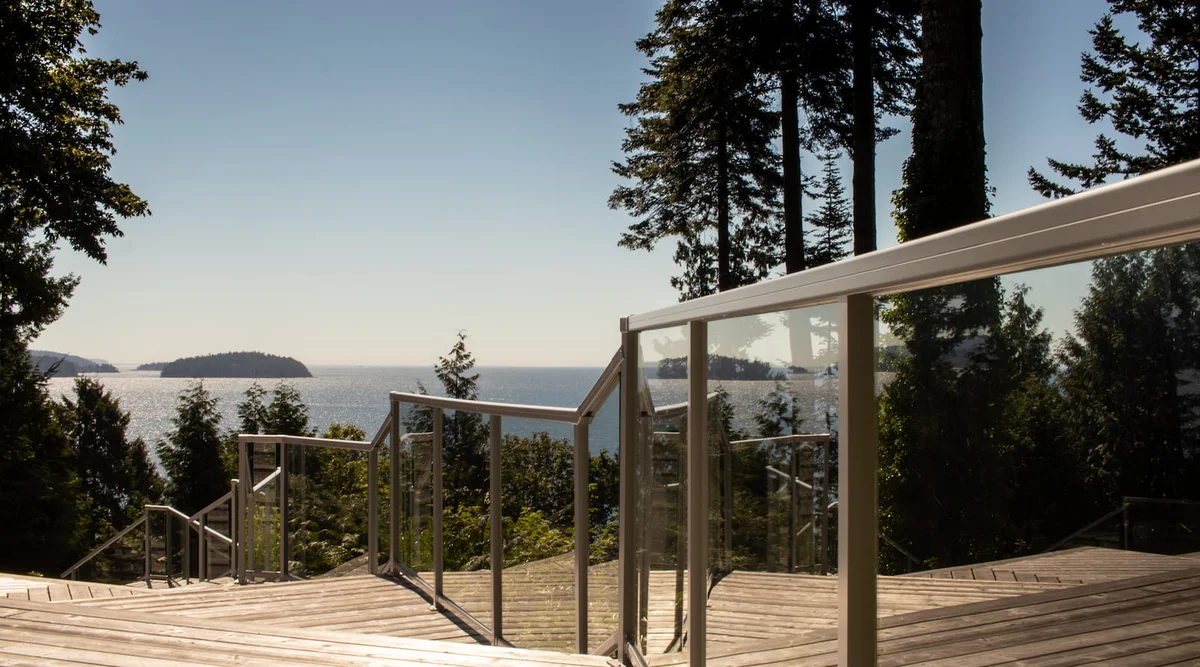
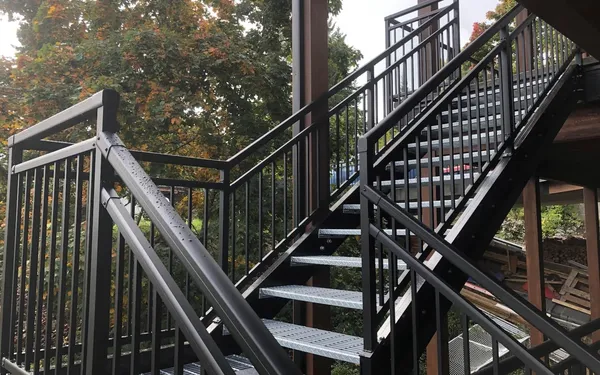
Stairs are involved. Framed glass handles stairs well. The top rail provides structural rigidity on an angled surface, and the system is forgiving enough to manage the precision challenges of stair installation. Frameless on exterior deck stairs is rare because the post tolerances on an angled surface are extremely tight and the cost is prohibitive. The Powell River, BC project by Modern Powell River used framed glass on the level sections and colonial top rail picket on the stairs, because the local municipality required a graspable stair profile. Framed glass gave them the view on the deck while picket met the code requirement on the stairs.
The deck has lots of corners and transitions. Every corner needs a corner post with a sleeve connecting two rail sections. Frameless systems handle corners, but each one is an alignment challenge because the glass panels have to sit perfectly in the channels without a top rail to absorb any tolerance. Framed systems are more forgiving because the top rail connecting the posts gives the installer room to adjust.
You want the architectural frame. Some homeowners don't want the railing to disappear. The aluminum frame, especially in black, Phantom Bronze, or Coastal Grey, gives the deck a clean, finished look with intentional lines. The glass is the infill, but the frame is the design element. On transitional and contemporary homes that aren't going for an ultra-modern aesthetic, the framed look often fits the architecture better than frameless. For colour options and how they pair with different exteriors: Aluminum Deck Railing Design Ideas.
Code requires a graspable handrail on stairs. On stair sections where local code requires a graspable handrail, the framed system's top rail can meet that requirement with a round or colonial profile. Frameless has no top rail, so you'd need to add a separate applied handrail, which adds cost and defeats some of the visual purpose. More on stair code requirements: Deck Railing Building Code Requirements.
The cost difference explained
The price gap between frameless and framed isn't arbitrary. Every component that makes frameless "invisible" adds cost:
Thicker glass. Without a top rail providing structural support, the glass panels need to be thicker to meet the same load requirements. Our frameless system uses 12 to 13mm glass versus 6mm for the framed system. Thicker tempered glass costs more to manufacture, more to ship, and more to handle on site.
Precision-machined post channels. Frameless post channels have tighter tolerances than framed. The glass panel has to sit in the channel with exact clearance. Too tight and the glass won't seat. Too loose and it won't hold under load. That precision machining costs more than the wider, more forgiving channels in the framed system.
Installation labour. Frameless installation takes longer because every post has to be perfectly aligned before the glass goes in. There's no top rail to help distribute minor alignment errors. On a framed system, if a post is slightly off, the top rail can bridge the gap. On a frameless system, if a post is off, the glass panel doesn't fit. Period. That's why we recommend professional installation for frameless, while experienced DIYers can handle framed.
Engineering requirements. Some municipalities require a project-specific engineer's stamp for frameless glass on elevated decks. That's an additional cost that framed systems don't typically trigger because the top rail provides redundant structural support that satisfies most code officials without additional review.
For detailed pricing: Aluminum Deck Railing Costs in 2026.
Can you mix frameless and framed on the same deck?
Yes. And it's more common than people think.
Both systems use the same posts, the same base plates, the same powder coating, and the same colour palette. The difference is in the top rail and the glass thickness. So you can run frameless on the main viewing section of the deck and framed on the sides, the stair sections, or the areas facing the house where the view doesn't matter as much.
The Christina Lake, BC property installed by Grand Forks Deck and Rail is a good example of mixed product design. It combines picket, infinity glass, and privacy screen panels on one property, all in the same colour, each used where it makes the most architectural sense. The same approach works with frameless and framed glass: use the premium system where it counts and the more affordable system everywhere else.
This mixed approach also solves the stair problem. Frameless on the level deck for the view, framed glass (or picket) on the stairs for code compliance and cost savings. The colour matches, the post style matches, and the transition looks intentional rather than cobbled together.
Not sure which system fits your project? Try our 3D Railing Designer to visualize different configurations on your own deck layout, or find a dealer who can walk you through the options for your specific property.
How long do frameless and framed glass railing last?
Both systems last 30+ years structurally. The aluminum posts and glass panels are effectively permanent. Glass doesn't degrade from weather exposure, and aluminum doesn't rust.
The wear items are the rubber gaskets and setting blocks that hold the glass in the channels. These typically last 15 to 20 years depending on UV exposure and climate before needing replacement. Replacing them is standard maintenance, not a system failure. The posts, glass, and mounting hardware all stay in place.
Both systems are backed by our 20-year structural warranty and 10-year finish warranty. The finish warranty is reduced to 5 years for installations within 5 miles of the ocean, which reflects the reality of salt air. The aluminum structure is warranted the same 20 years regardless of location.
For the full durability comparison: How Long Does Aluminum Deck Railing Last?
Frequently asked questions
What is the difference between frameless and framed glass railing?
Frameless (topless) glass railing has no top rail. Glass panels sit in aluminum post channels and stand on their own. Framed (glass component) railing uses aluminum posts connected by a top rail with glass panels set in between. Frameless gives maximum view clarity. Framed is more affordable, easier to install, and handles stairs better.
How much does frameless glass railing cost?
Frameless glass railing runs $120 to $200+ per linear foot installed. Framed glass component runs $80 to $150 per foot. The difference comes from thicker glass panels, tighter post tolerances, and more demanding installation on frameless systems.
Is frameless glass railing safe?
Yes. Our Infinity Topless system is engineered to meet the National Building Code of Canada 2020, BCBC 2024, and the US IRC. It's certified by JCJ Design Engineering and load-tested by Intertek. The thicker glass panels (12 to 13mm tempered) compensate for the absence of a top rail. Every order ships with an engineering certification letter.
Can I use frameless glass railing on stairs?
It's possible but rare on exterior deck stairs. The post tolerances on an angled surface are extremely tight and the cost is high. Most projects use framed glass or picket on stairs and frameless on the level deck. If your local code requires a graspable handrail on stairs, frameless would need a separate applied handrail, which adds cost and visual complexity.
Does frameless glass railing block wind?
Yes. Both frameless and framed glass railing provide excellent wind protection. The solid glass panels block wind while maintaining the view. Frameless systems may have slight vertical gaps between panels depending on the layout, while framed systems provide a more continuous barrier because the glass sits within a top and bottom rail channel. Both are a significant practical advantage over picket and cable railing, which let wind pass through freely. On elevated or coastal decks, wind protection can make the deck usable on days when it otherwise wouldn't be.
Can you mix frameless and framed glass on the same deck?
Yes. Both systems use the same posts, base plates, and colour palette. You can run frameless on the main viewing section and framed on the sides, stairs, or house-facing areas. The transition looks intentional because the hardware and finish match across both systems.