Everything you need to know about aluminum deck railing — building code, installation, powder coating, colors, and how to choose the right system.
Aluminum deck railing is a low-maintenance, corrosion-resistant railing system made from powder coated aluminum posts, rails, and infill — available in picket, glass, and cable configurations. It's the most popular railing material for residential decks across North America because it doesn't rot, rust, warp, or need repainting, and it lasts 30+ years with virtually no upkeep.
We've been manufacturing aluminum deck railing at our facility in Aldergrove, BC since 2004. Every system we ship is engineered in-house, welded and assembled in our plant, and finished on our own AAMA 2604 powder coating line. This guide covers everything you need to know before buying — from cost and building code to installation, finishes, and how to choose the right system for your project.
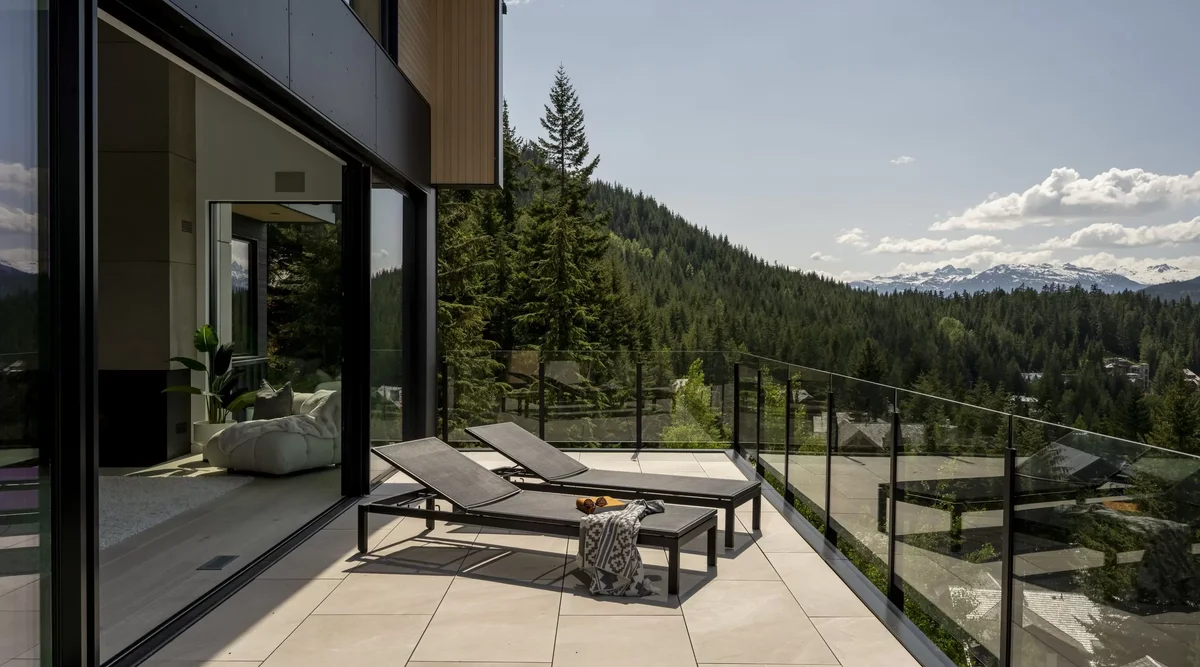
What is aluminum deck railing?
Aluminum deck railing is a prefabricated guardrail system designed to provide safety and style on residential and commercial decks, balconies, porches, and stairways. The system is built entirely from aluminum — posts, top and bottom rails, and infill (pickets, glass panels, or cables) — and finished with a baked-on powder coating for weather resistance.
Aluminum has become the go-to material for deck railings for a few straightforward reasons. It doesn't corrode the way steel does. It doesn't rot, warp, split, or attract insects the way wood does. It doesn't get brittle in cold weather the way vinyl can. And because the powder coated finish is applied at the factory, there's no painting, staining, or sealing required — ever.
Modern aluminum railing systems come as pre-assembled or semi-assembled kits. Posts are typically pre-welded with mounting hardware included. Rails snap or slide into the posts. Infill — whether that's pickets, glass panels, or cable — installs between the rails. The result is a system that a competent installer can put up in a fraction of the time it would take to build a wood railing from scratch.
Types of aluminum railing systems
There are three main styles of aluminum deck railing, and the right one depends on what you're optimizing for — view, budget, privacy, or aesthetics.
Aluminum picket railing is the classic choice. Vertical aluminum pickets (balusters) run between the top and bottom rail, creating a clean, traditional look. It's the most affordable aluminum option, works on virtually any style of home, and meets code easily.
Glass component railing uses aluminum posts and top rail with tempered glass panels as the infill instead of pickets. The result is a more open, modern look that lets light through and preserves sightlines. It's a popular choice for waterfront properties, elevated decks with a view, and contemporary home designs.
Frameless (topless) glass railing takes the glass concept further — removing the top rail entirely so the glass panels stand on their own, held by aluminum posts with precision channels. The effect is a nearly invisible barrier that maximizes the view. This is the premium option.
How much does aluminum deck railing cost?
Aluminum deck railing typically costs between $50 and $200 per linear foot installed, depending on the system type, height, glass vs picket infill, and the complexity of your deck layout (corners, stairs, angles).
Aluminum picket: $50–$100 per linear foot installed. Budget-conscious, traditional style.
Glass component (framed): $80–$150. View preservation, modern look.
Frameless / topless glass: $120–$200+. Maximum view, premium aesthetic.
| System type | Cost per linear foot (installed) | Best for |
|---|---|---|
| Aluminum picket | $50 – $100 | Budget-conscious, traditional style |
| Glass component (framed) | $80 – $150 | View preservation, modern look |
| Frameless / topless glass | $120 – $200+ | Maximum view, premium aesthetic |
The real cost comparison isn't aluminum vs cheaper aluminum. It's aluminum vs wood over 20 years. A pressure-treated wood railing costs less upfront — maybe $30–$50 per linear foot installed. But it needs staining or painting every 2–3 years, and most wood railings need replacing within 10–15 years. When you add up the maintenance and replacement costs, aluminum comes out ahead.
Powder coating and finishes
Every quality aluminum railing system is finished with powder coating — a dry finish that's electrostatically applied and baked on at high heat. The result is a hard shell that resists UV fade, chipping, scratching, and corrosion far better than liquid paint.
But not all powder coating is the same. The industry standard is set by AAMA. AAMA 2603 is a 1-year rating — that's what budget manufacturers use. AAMA 2604 is a 5-year rating. AAMA 2605 is a 10-year rating.
We apply AAMA 2604 as standard on every system we ship, and we're certified for AAMA 2605 on request. What makes the coating stick long-term is the pretreatment — the cleaning and preparation of the aluminum surface before the powder goes on. We run a 5-stage full submersion pretreatment process in-house. Most competitors use 2 or 3 stages.
Full deep dive: Powder Coated Aluminum Railing: What It Is and Why It Matters
Building code requirements
Before you buy any deck railing, you need to know what your local building code requires. The good news is that the core rules are fairly consistent across North America.
When a guardrail is required: In Canada, any deck surface more than 600 mm (24 inches) above grade needs a guardrail on open sides. In the US (IRC), the threshold is 762 mm (30 inches).
Height: In most of Canada, residential deck railings must be at least 900 mm (36 inches) tall on decks up to 1.8 m above grade, and 1,070 mm (42 inches) on decks higher than 1.8 m. In the US, the IRC requires a minimum of 36 inches for residential.
The 4-inch rule: No opening in the railing should allow a 4-inch (100 mm) sphere to pass through. This applies to picket spacing, the gap under the bottom rail, and any opening in a glass panel system.
Load requirements: Guards must resist specific horizontal loads — 0.50 kN/m in Canada, 200 pounds concentrated in the US.
Full code breakdown: Deck Railing Building Code Requirements
Installation overview
Aluminum deck railing installs faster than most people expect. Because the system arrives pre-assembled or semi-assembled from the factory, there's no cutting individual pickets, measuring baluster spacing, or building the rail structure from raw lumber.
Surface mount is the most common approach for residential decks. The post base plate sits on top of the deck surface and bolts down through the decking into the structural framing below.
Fascia mount attaches the posts to the side of the deck frame. This frees up the full deck surface width and creates a cleaner look from above.
Most residential deck railing installations take a day or two for a competent installer. Complex layouts with stairs, angles, and multiple levels take longer. If you're considering DIY, picket systems are the most forgiving. Glass and frameless systems benefit from professional installation.
Colors and design options
Aluminum deck railing comes in more color and style options than most people realize. The powder coating process means virtually any color is possible.
We offer 14 standard Innovative Series colors. Black and Textured Black are the most popular by a wide margin — they're versatile, modern, and pair with almost any home exterior. White is the third most requested, followed by Coastal Grey, Phantom Bronze, and Sparrow Grey. Custom color matching is available.
More design inspiration with real installation photos: Aluminum Deck Railing Design Ideas
Maintenance and durability
This is where aluminum railing pulls away from every other material. The maintenance requirement is close to zero.
Powder coated aluminum doesn't need painting, staining, sealing, or any seasonal treatment. It doesn't rot, warp, crack, split, or attract insects. It doesn't get brittle in freezing temperatures or soft in extreme heat. It doesn't rust — aluminum forms a natural oxide layer that protects it from corrosion, and the powder coating adds a second layer of protection on top of that.
To keep it looking clean, wash it down with mild soap and water a couple of times a year. A garden hose handles most of it. That's it. That's the entire maintenance program.
How long does it last? The aluminum structure is effectively permanent — 30+ years. The powder coated finish, when applied to AAMA 2604 or 2605 standards with proper pretreatment, holds its appearance for 20+ years.
Full details: How Long Do Different Types of Aluminum Deck Railing Last?
How to choose the right system
Choosing a deck railing system comes down to four things: what you're looking at, what you're spending, what you're building on, and what code requires.
If you have a view you want to keep, glass is the obvious choice. Frameless topless glass gives you the most unobstructed sightline.
If budget is the priority, aluminum picket is the most cost-effective aluminum option. It's strong, code-compliant, and available in all the same colors and finishes as the glass systems.
If the deck has stairs, make sure the system you choose is designed for stair applications — not all are. Stair railing has its own code requirements for handrail height and graspability.
If you're in a high-wind or coastal area, consider the wind load implications. Glass panels catch more wind than pickets. Our engineering team can advise on this.
Still not sure? Our side-by-side comparison covers every angle: Which Type of Deck Railing Is Best for My Deck?
Aluminum vs wood vs vinyl vs composite
Aluminum isn't the cheapest railing material upfront. But when you compare it to the alternatives over a 10–20 year window, the math changes.
| Material | Cost per LF (installed) | Lifespan | Maintenance |
|---|---|---|---|
| Aluminum | $50 – $200 | 30+ years | Soap and water |
| Pressure-treated wood | $30 – $50 | 10 – 15 years | Stain/paint every 2–3 years |
| Cedar | $40 – $70 | 15 – 20 years | Seal every 1–2 years |
| Vinyl / PVC | $25 – $60 | 20 – 25 years | Minimal, but brittle in cold |
| Composite | $50 – $80 | 25 – 30 years | Low, but can fade and stain |
| Cable | $60 – $200 | 25+ years | Periodic cable tension check |
Aluminum vs wood: Wood is the cheapest option upfront but the most expensive to maintain. Pressure-treated wood needs staining or painting every 2–3 years, and most wood railings need replacing entirely within 10–15 years. Aluminum outlasts it by a factor of two or three, with zero ongoing maintenance cost.
Aluminum vs vinyl: Vinyl is cheap and low-maintenance, but it's limited in style and can become brittle in very cold temperatures. Aluminum is slimmer, stronger, and available in far more color and design options.
Aluminum vs composite: Composite railings offer a wood-like appearance without the maintenance of real wood. But they cost about the same as aluminum picket systems, and aluminum is stronger, slimmer, and more resistant to fading.
A more detailed comparison: Aluminum vs. Steel, Wood or Vinyl
Frequently asked questions
How much does aluminum deck railing cost?
Aluminum deck railing typically costs between $50 and $200 per linear foot installed. Picket systems are on the lower end ($50–$100), glass component systems in the middle ($80–$150), and frameless glass at the top ($120–$200+). Over 20 years, aluminum costs less than wood when maintenance and replacement are factored in.
How long does aluminum deck railing last?
The aluminum structure lasts 30+ years — it doesn't rot, rust, or degrade. The powder coated finish holds for 20+ years when applied to AAMA 2604 standards with proper pretreatment. Innovative Aluminum backs every system with a 20-year structural warranty and 10-year finish warranty.
Is aluminum railing better than wood?
For durability and maintenance, yes. Aluminum lasts 30+ years with no upkeep. Wood lasts 10–15 years and needs staining or painting every 2–3 years. Wood costs less upfront but more over time. Aluminum also won't rot, warp, crack, or attract insects.
Does aluminum deck railing rust?
No. Aluminum does not rust. Rust is an iron oxide reaction that only affects iron and steel. Aluminum naturally forms a thin oxide layer that protects it from corrosion. When powder coated, that protection is doubled.